HDR is the abbreviation for high dynamic range. Sometimes known as HDRI (high dynamic range imaging), it refers to techniques that expand the range of illuminance of a standard digital camera image to represent the wide range of intensity levels in real life scenes.
Many digital cameras, even today, are incapable of capturing both the brightest and darkest areas in real life scenes accurately. Technically speaking, film has a wider dynamic range and is better at reproducing images of a scene more accurately as seen by the human eye. For this advantageous reason, some movies are still shot on film even today.
High dynamic range (HDR) images are most commonly produced by photographing a scene with a series of images at different exposure levels; some images overexposed, some images underexposed, and an image correctly exposed. Then, using specialty HDR imaging software, or imaging software capable of producing HDR images, the series of images are aligned and merged to produce a resultant HDR image not possible to capture in a single exposure. Thereafter, some adjustments to colour, contrast, saturation, sharpness or smoothing may be done to add visual impact to the image.
Sometime in 2008, I considered doing HDR photography but never began doing it until in early 2010 when I acquired a popular HDR software called PhotoMatix Pro.
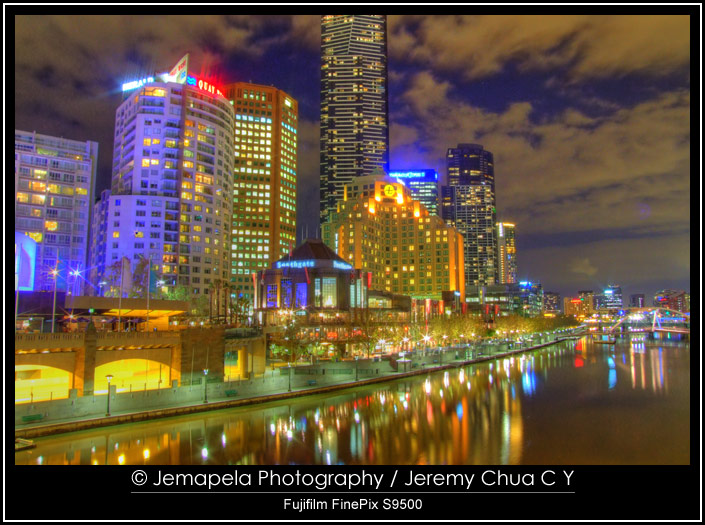
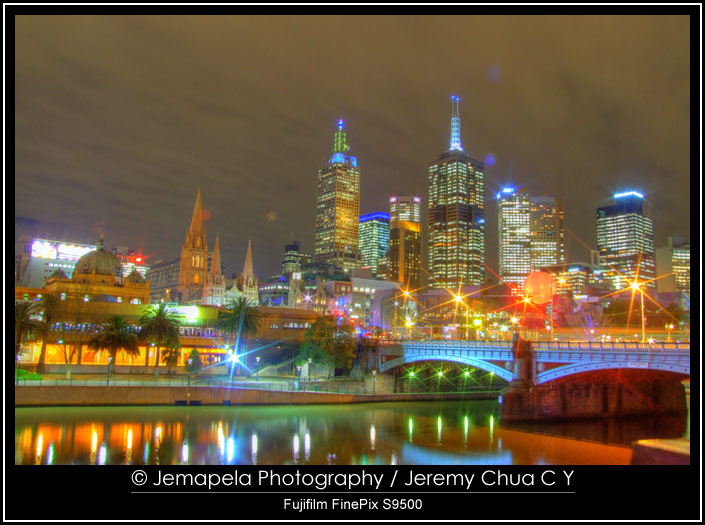
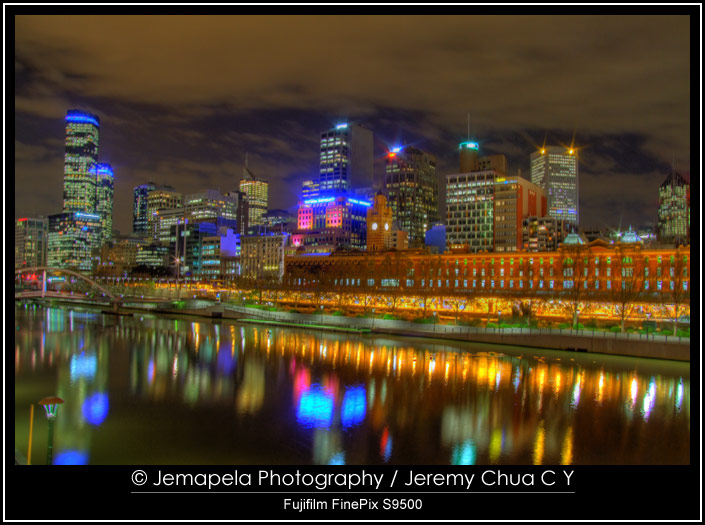
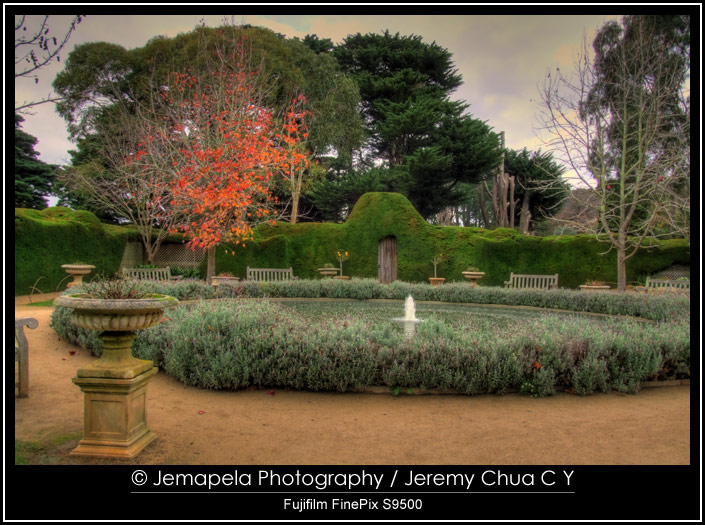
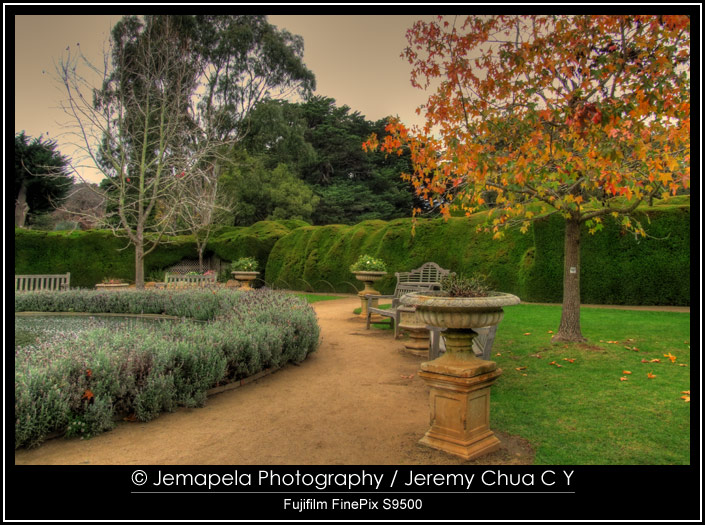
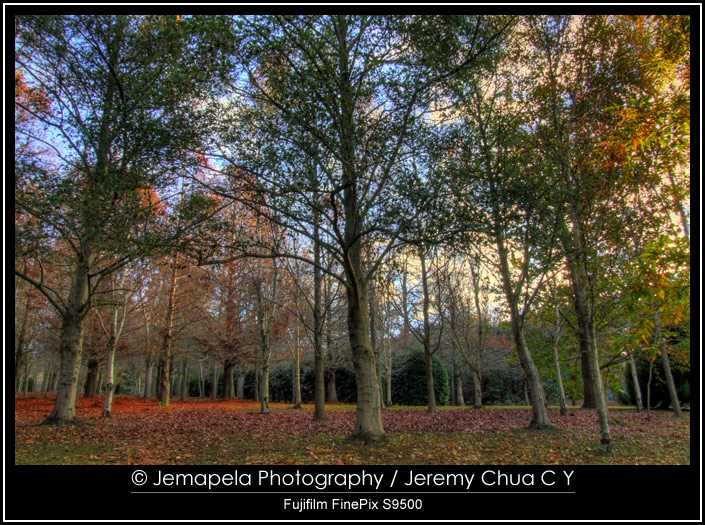
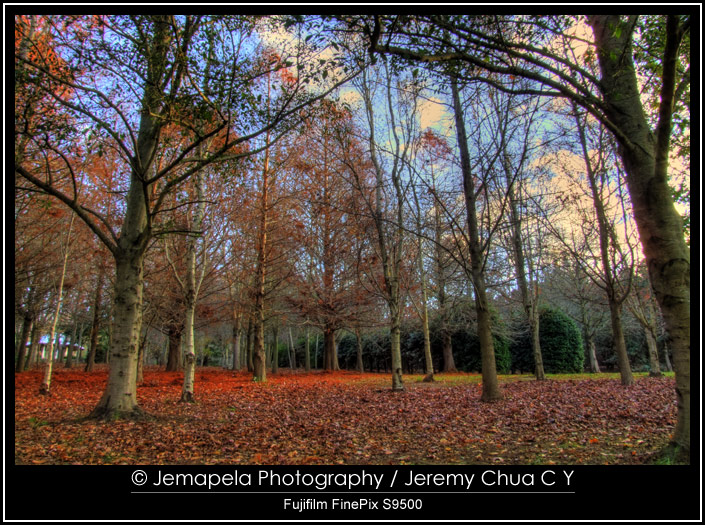
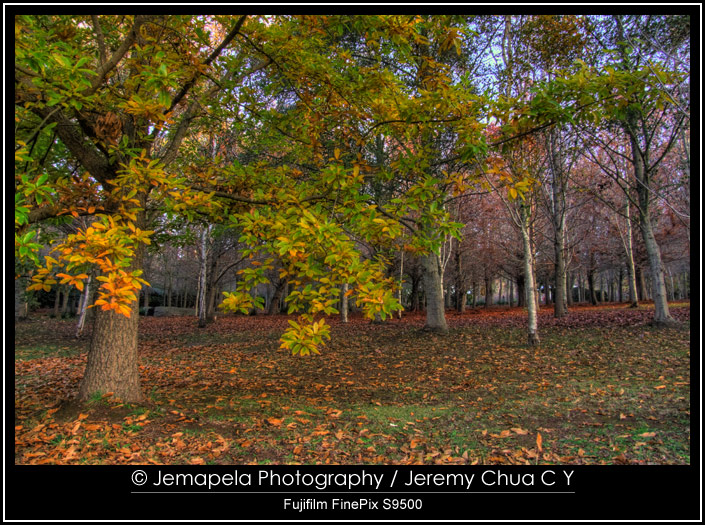
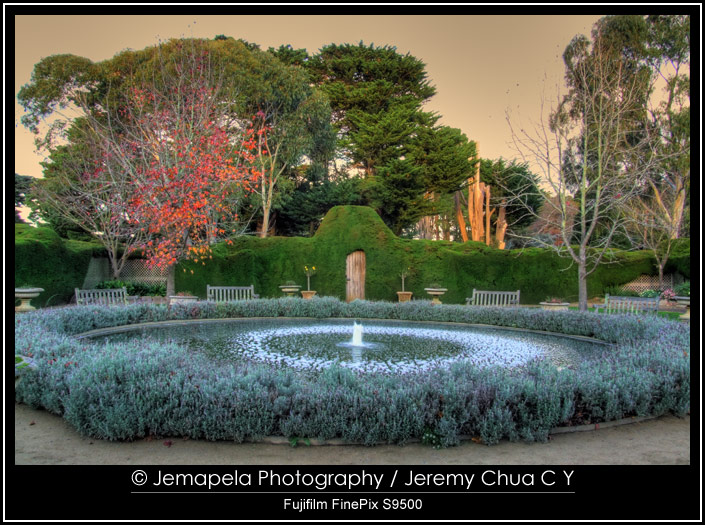
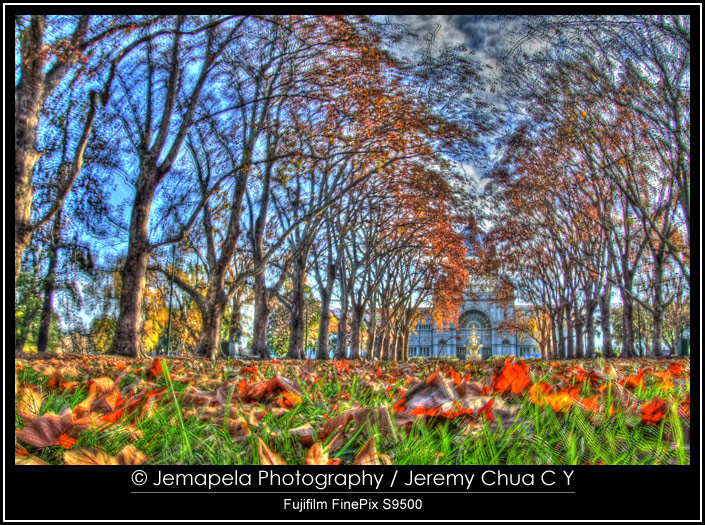
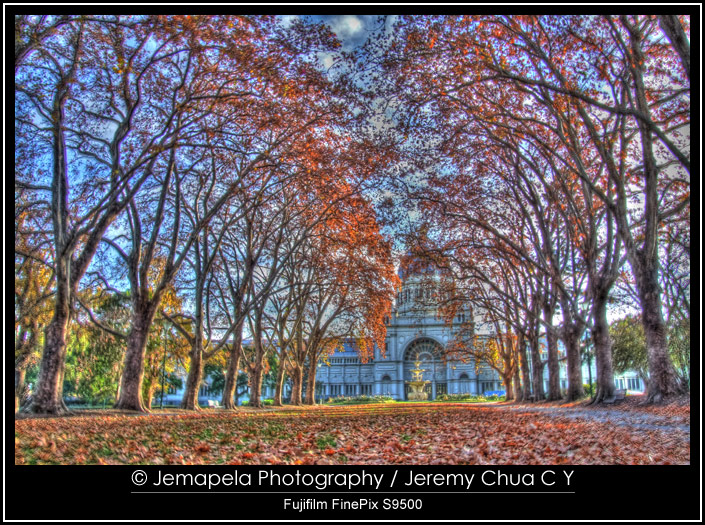
The above gallery of images contains my very first HDR images photographed in June 2010 in Melbourne CBD and Ashcombe Maze in Mornington Peninsula (about 90km from Melbourne). They were photographed using a second-hand Fujifilm FinePix S9500. I found and bought this old digital camera because Fujifilm FinePix cameras produce beautiful colours with their proprietary Fujichrome mode which simulates the professional Fujichrome Velvia positive film. I liked the camera for its colours but it was slow to use.
Add Your Comment
You must be logged in to post a comment.